
How to Teach a 5 Year Old to Ride a Bike (Without Tears)
A 5 year old is the easiest age to teach cycling — IF you use the right method. Their cognitive development means they can follow verbal instructions, manage frustration, and connect cause and effect. Cycling skills come fast.
This guide is the step-by-step method we recommend, based on what works for hundreds of Banwood families.
What you need
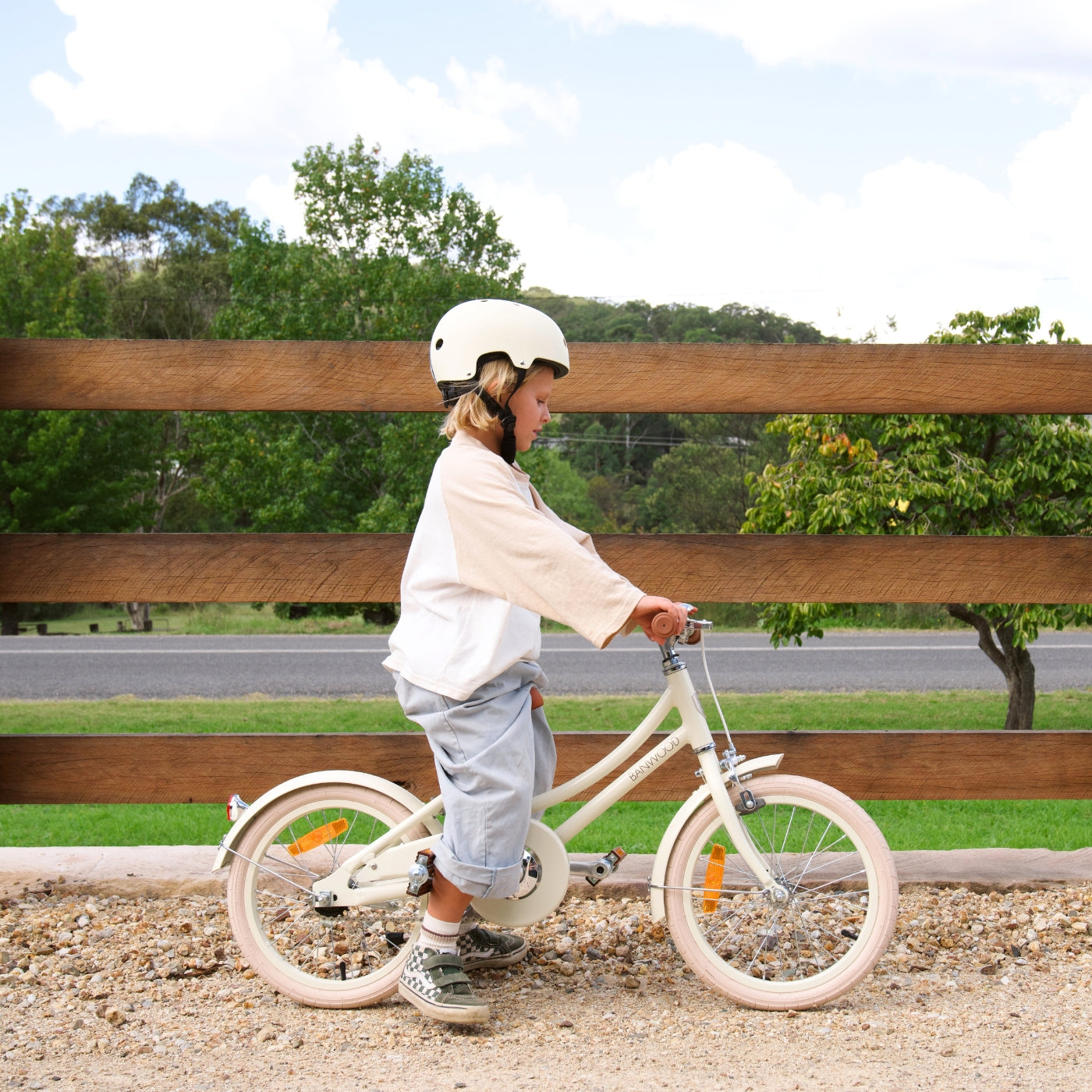
- A correctly sized bike. For a typical 5 year old (inseam 44-50 cm), that's a 16" pedal bike. The Banwood Classic 16" is our pick.
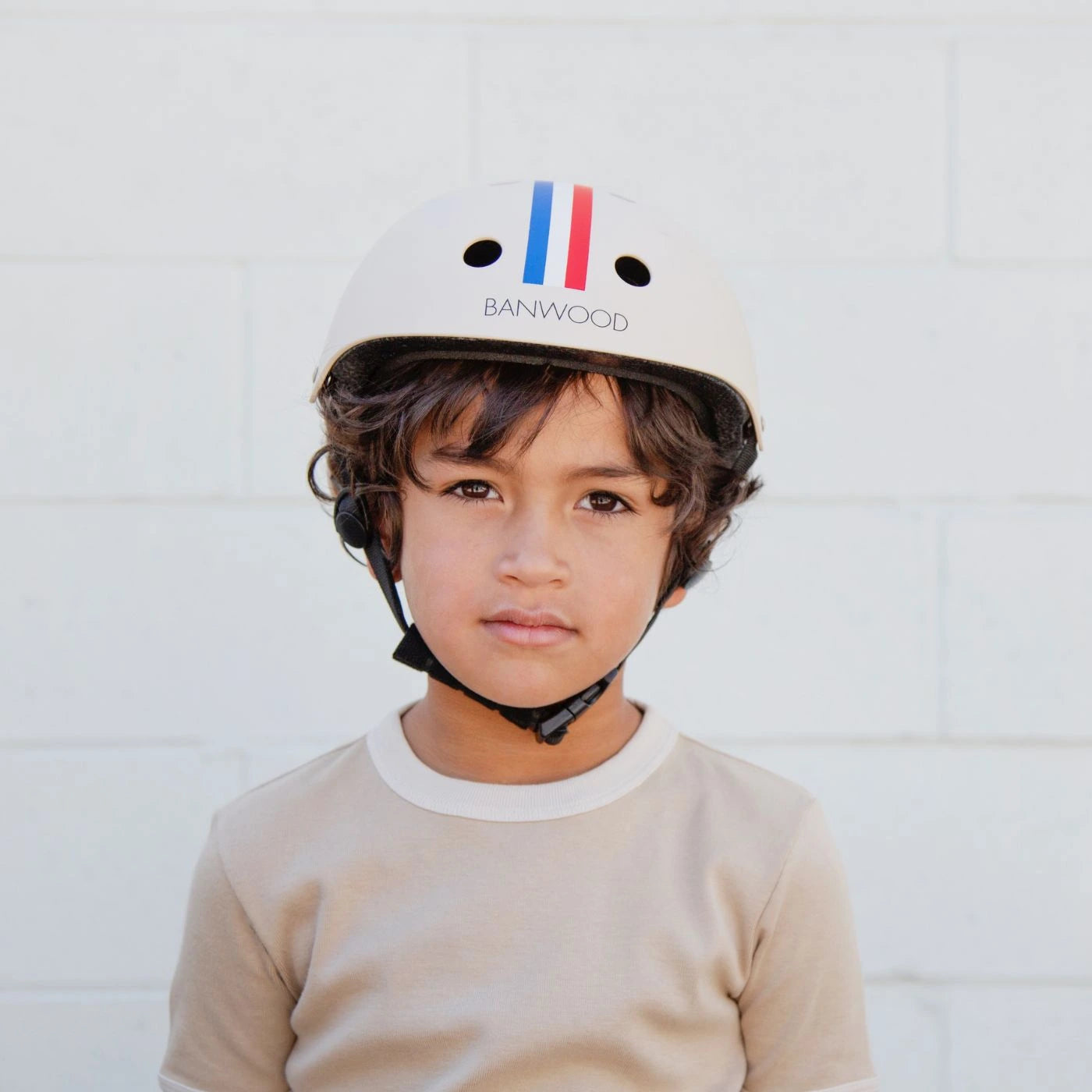
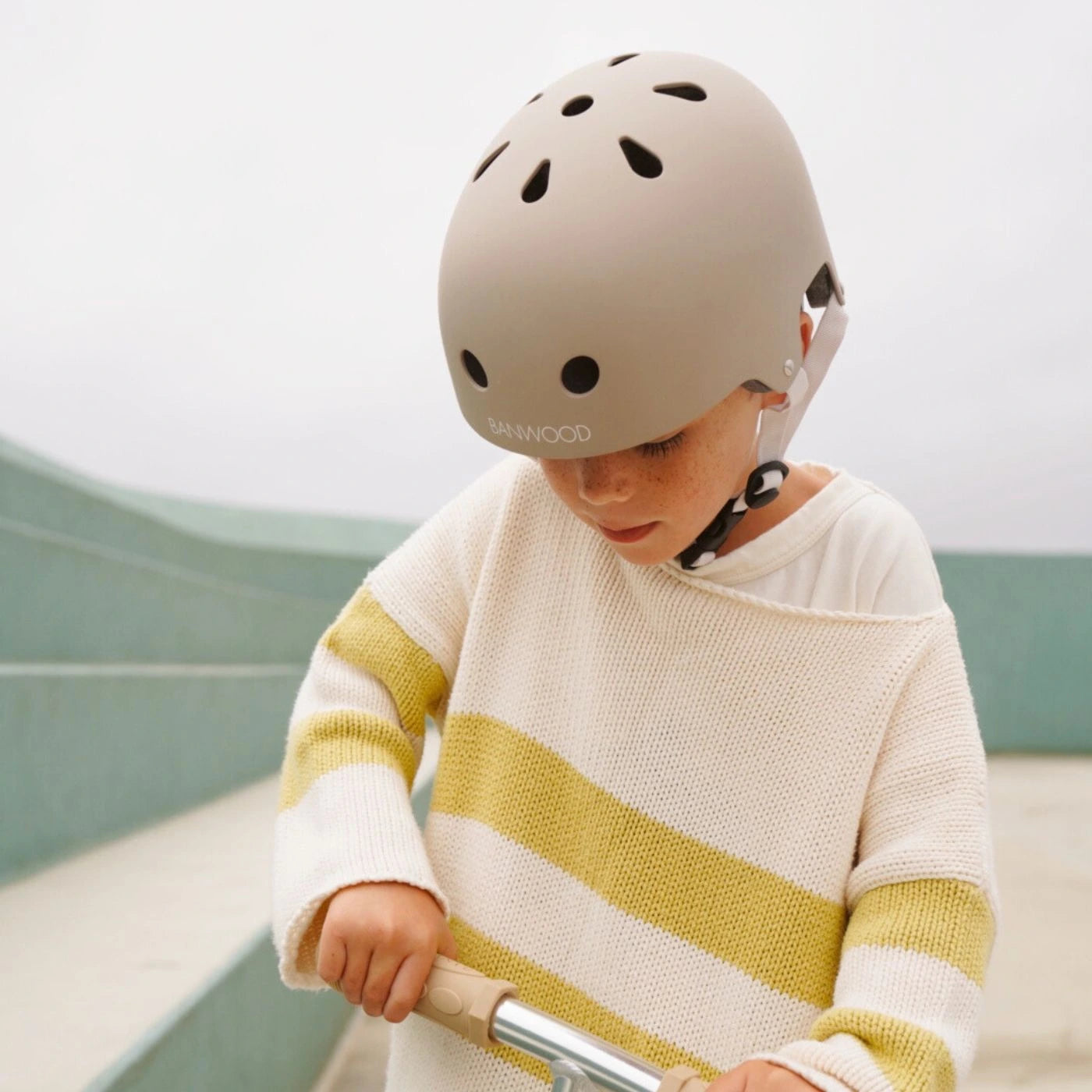
- A helmet (mandatory). Banwood Classic Helmet S/M for ages 3-7.
- Gloves (optional but recommended). Light cycling gloves protect palms from scrapes.
- A grassy area with a slight downhill slope, OR a quiet flat path.
- 25 minutes per session. 4-6 sessions over 2 weeks total.
Before you start: the saddle adjustment
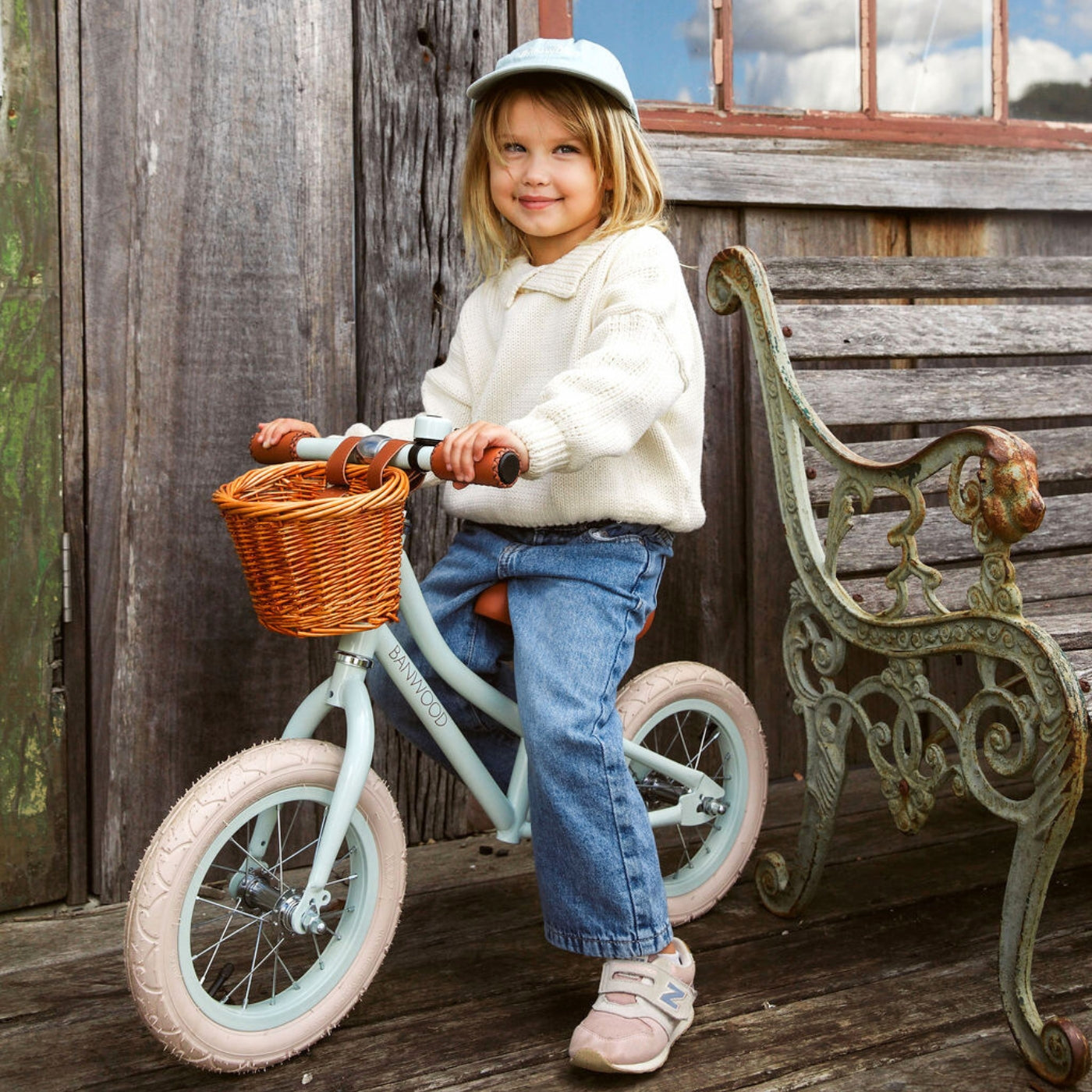
Lower the saddle so when your child sits on the bike, both feet are flat on the ground with knees slightly bent. Yes, this is too low for "real" cycling. That's intentional. This adjustment alone is the difference between an easy first session and a stressful one.
Session 1 — The "balance bike" feel (no pedals required)
- Walk the bike for 2 minutes. Hold the handlebars, push the bike alongside you. Get them comfortable with the bike's weight.
- Sit and walk. They sit on the bike, feet flat. They walk forward, like a balance bike.
- Sit and push. Same, but they kick off harder. Goal: 1-2 seconds of feet up.
- Coast on grass slope. If you have a slight grassy slope, have them coast down with feet up.
- Stop session with a win. When they hold feet up for 3+ seconds, stop.
Session 2 — Glide and steer
- Recap Session 1. Let them coast and glide, building confidence.
- Add gentle steering. Set up two cones 5 metres apart. Have them weave between.
- Stop with feet. Practise stopping by putting feet down. Multiple times.
- Brake introduction. Show them the rear brake (right hand). Have them squeeze it gently while walking the bike.
Session 3 — Add pedals
- Recap glide. 2 minutes of gliding to warm up.
- Push and place. They push off with feet, then once rolling, place feet on pedals.
- One rotation. Encourage one full pedal rotation. Most kids do this in attempt 3 or 4.
- Continuous pedalling. When they get one rotation, the next attempt usually gives 2-3, then continuous.
Session 4 — Pedalling and stopping
- Pedal-stop loop. Pedal 10 metres, stop with feet, pedal again.
- Brake stop. Introduce stopping with the rear brake. Slow speeds first.
- Saddle raise. If pedalling is reliable, raise the saddle 2 cm.
Session 5 — Confidence loops
- Figure-of-8 around two cones. Builds turning confidence at speed.
- Slow-pedal challenge. "How slowly can you ride without putting feet down?" Builds slow-speed balance.
- Brake-and-go. Pedal, brake to stop, restart from stop. Real-world cycling.
After Session 5, most 5 year olds can ride independently in safe areas.
Common problems and fixes
- "They put feet down constantly." Saddle too high. Lower it 1 cm.
- "They wobble badly." Bike too heavy or too big. Check inseam vs spec.
- "They pedal but don't steer." Eye direction. Practise asking them to "look where you want to go".
- "They lose interest fast." 25-minute max sessions. End on wins.
Read next
- 5 mistakes parents make teaching cycling
- Why training wheels make learning harder
- Banwood pedal bikes
Free EU shipping over €100 · 14-day returns · 2-year warranty.
